
High Court

Sole Arbitrator's Appointment By One Party Due To Other Party's Inaction After Notice Is Not Unilateral: Telangana High Court
The Telangana High Court bench of Justice Moushumi Bhattacharya has held that an arbitrator appointed by one party in accordance with the agreed terms, after giving due notice, cannot be challenged as a unilateral appointment if the other party was given a full and fair opportunity to nominate its arbitrator but chose not to act. In such a situation, enforcement of a foreign award cannot...
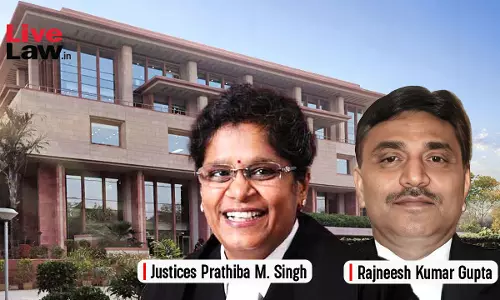
GST | Alleging Denial Of Hearing Insufficient If Assessee Itself Wasn't Diligent In Responding To SCN Or Attending Hearing: Delhi High Court
The Delhi High Court has refused to interfere with a demand order passed by the GST Department without hearing the assessee, after noting that the assessee itself was not diligent in responding to the show cause notice or attending the personal hearing despite notice.A division bench of Justices Prathiba M. Singh and Rajneesh Kumar Gupta observed,“Considering the fact that (i) The...
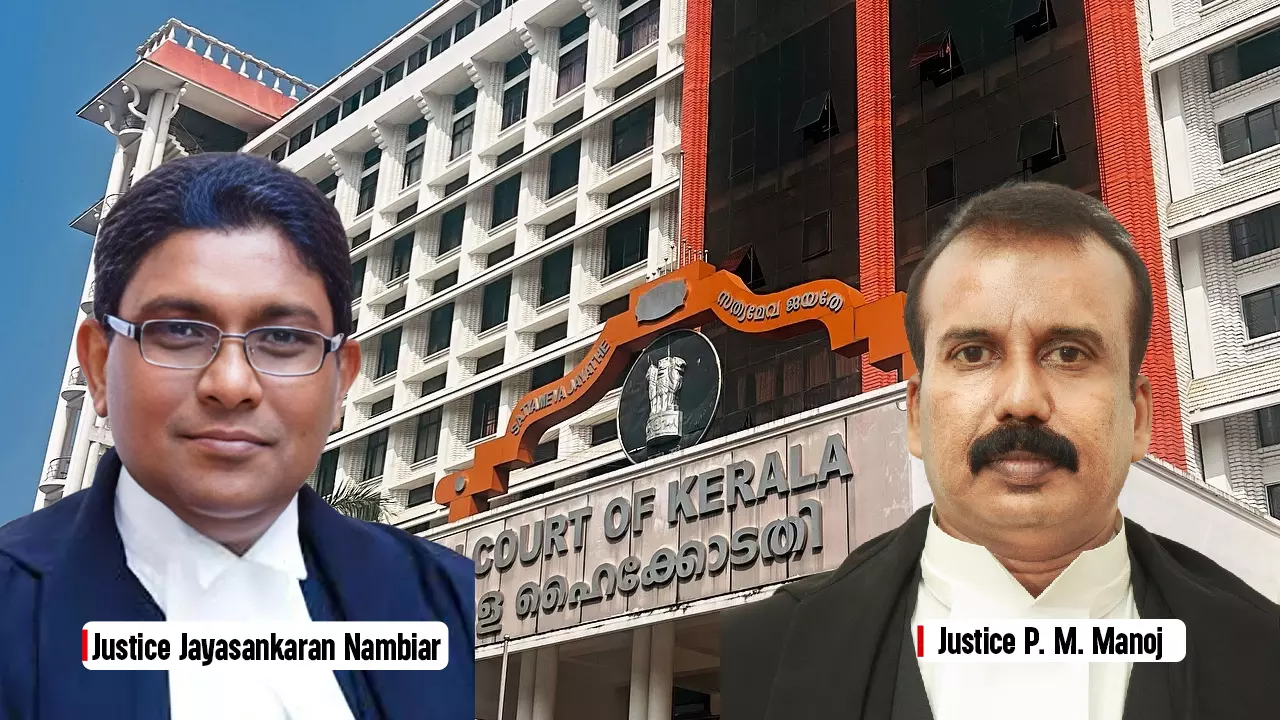
Assessment Based On DVO's Valuation Cannot Be Revised U/S 263 Of Income Tax Act In Absence Of Concrete Material: Kerala High Court
The Kerala High Court held that assessment based on DVO's (Department Valuation Officer) valuation cannot be revised under Section 263 of Income Tax Act in absence of concrete material. Justices A.K. Jayasankaran Nambiar and P.M. Manoj observed that “as on the date of invoking his power under Section 263 of the IT Act, the Commissioner could not have had a 'reason to believe' that...
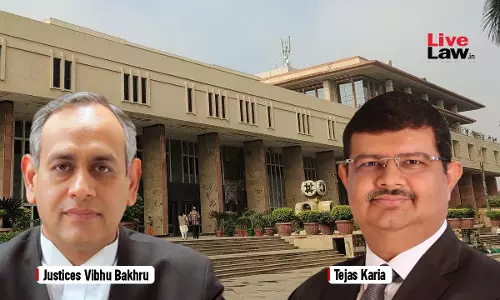
Party That Unilaterally Appointed Arbitrator Not Barred From Challenging Appointment U/S 12(5) Of Arbitration Act: Delhi High Court
The Delhi High Court bench of Justice Tejas Karia and Justice Vibhu Bakhru has held that a party that unilaterally appoints an arbitrator is not prohibited from challenging the award on the ground that it violates Section 12(5) read with the Seventh Schedule of the Arbitration Act. Mere exercise of the power to make such an appointment does not constitute an express written waiver...
Plaint Can't Be Rejected Under O.VII R.11 Of CPC Due To Arbitration Clause Unless Application U/S 8 Of A&C Act Is Filed: Delhi High Court
The Delhi High Court bench of Justice Ravinder Dudeja has held that if a proper application is filed under Section 8 of the Arbitration and Conciliation Act, 1996, the Court must refer the parties to arbitration and may reject the plaint under Order VII Rule 11(d) of the Civil Procedure Code, 1908 (CPC) as barred by law. However, if no such application is filed and no prayer is made...
'Decalcified Fish Scale' Import Covered Under Advance Authorisation Scheme; Customs Cannot Deny Benefit: Kerala High Court
The Kerala High Court stated that 'decalcified fish scale' import covered under advance authorization scheme; customs cannot deny benefit. The advance authorization scheme enables duty free import of inputs/raw materials required for manufacture of export goods. Justices A.K. Jayasankaran Nambiar and P.M. Manoj observed that during the period subsequent to the period covered by...
S.75(5) Of CGST Act Contemplates A Maximum Of Three Adjournments, Cannot Be Construed As A Minimum Of Three Hearings: Delhi High Court
The Delhi High Court has held that the provision of maximum three adjournments that can be granted to a taxpayer during the course of adjudication proceedings, cannot be construed to mean that the taxpayer must be given a minimum of three hearings.A division bench of Justices Prathiba M. Singh and Rajneesh Kumar Gupta observed,“A perusal of Section 75(5) of the Central Goods and Service...
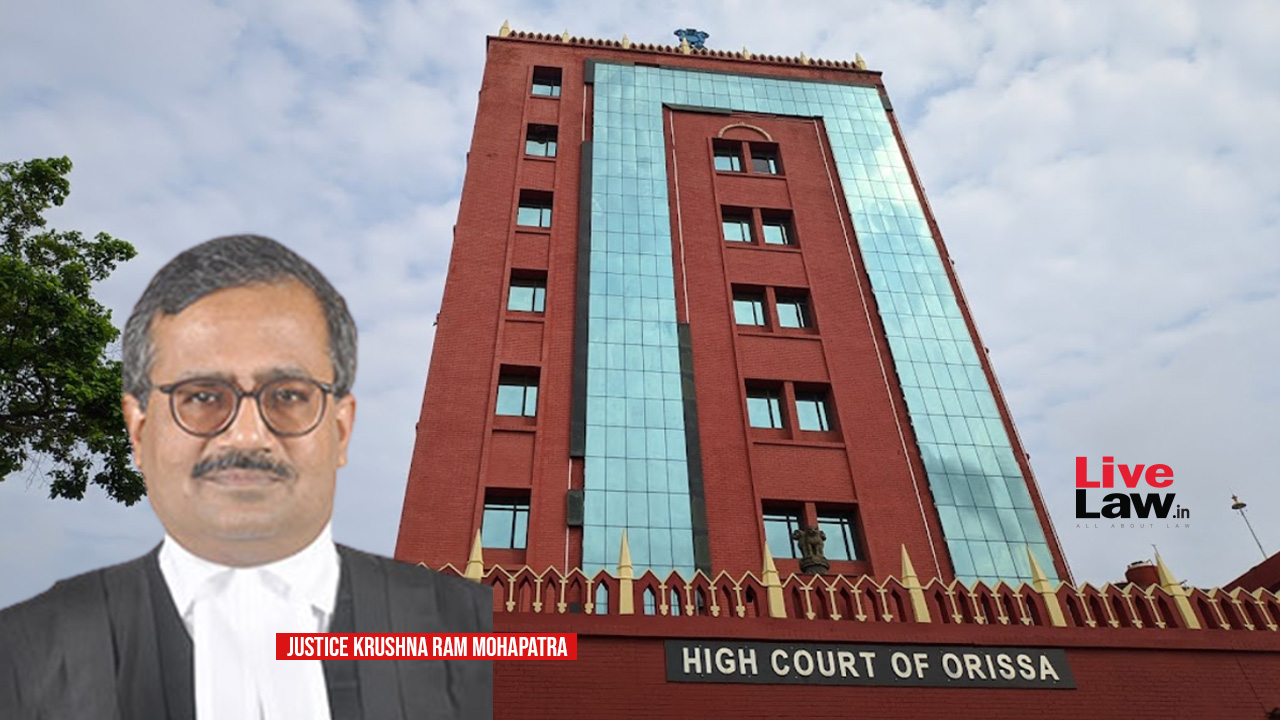
MSME Council's Order Declaring Jurisdiction To Decide Dispute Between Parties Can Be Challenged Only U/S 34 Of A&C Act: Orissa High Court
The Orissa High Court bench of Justice K.R. Mohapatra has held that once the MSME Council initiates arbitration following the termination of conciliation proceedings, any order passed by the Council regarding its jurisdiction to adjudicate the dispute can only be challenged under Section 34 of the Arbitration and Conciliation Act. The aggrieved party cannot invoke Article 227 of...

Assessee Can Seek Refund Of Unutilised ITC In Personal Bank Account If Business Is Shut Down: Calcutta High Court
Calcutta High Court recently directed the proper officer under the GST Act to consider ordering refund of the unutilised ITC of an Assessee to his personal bank account, as his business was closed and its GST registration stood cancelled.The Petitioner was aggrieved by a direction of the proper officer, though allowing the refund sanction to the tune of Rs. 68,66,238/- but, directing the...
Taxpayers Must Be Vigilant About Communications On GST Portal, Department Can't Be Blamed: Delhi High Court
The Delhi High Court has made it clear that if an assessee fails to respond to a show cause notice duly communicated to it on the GST portal, the Department cannot be blamed for passing an order raising demand, without hearing the assessee.A division bench of Justices Prathiba M. Singh and Rajneesh Kumar Gupta observed,“Since the Petitioner has not been diligent in checking the portal, no...
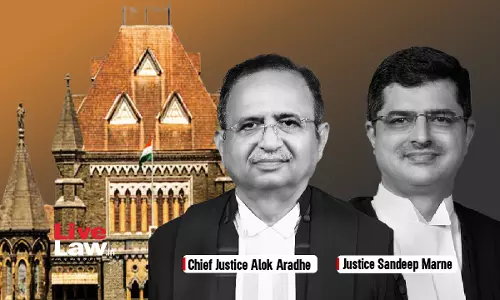
Assessee Cannot Be Penalised U/S 271(1)(c) Of Income Tax Act For Merely Raising A Plausible Claim: Bombay High Court
The Bombay High Court stated that the assessee cannot be penalised under Section 271(1) (c) of income tax act for merely raising a plausible claim. The Division Bench consists of Chief Justice Alok Aradhe and Justice Sandeep V. Marne opined that “the claim raised by the Assessee for claiming deduction in respect of the crystalised liability towards additional bonus was a...
Restoration Of Cancelled GST Registration Permissible If Taxpayer Clears Dues And Files Returns: Gauhati High Court
The Gauhati High Court stated that the restoration of cancelled GST registration is permissible if the taxpayer clears dues and files returns. The Bench of Justice Sanjay Kumar Medhi observed that “proviso to sub-rule (4) of Rule 22 of the CGST Rules 2017 provides that if a person, who has been served with a show cause notice under Section 29(2)(c) of the CGST Act, 2017, is ready...