
J&K High Court Sets Aside Interim Order Against Developer Passed By Special Tribunal Without Jurisdiction
Shivani PS
19 Jan 2026 10:14 PM IST
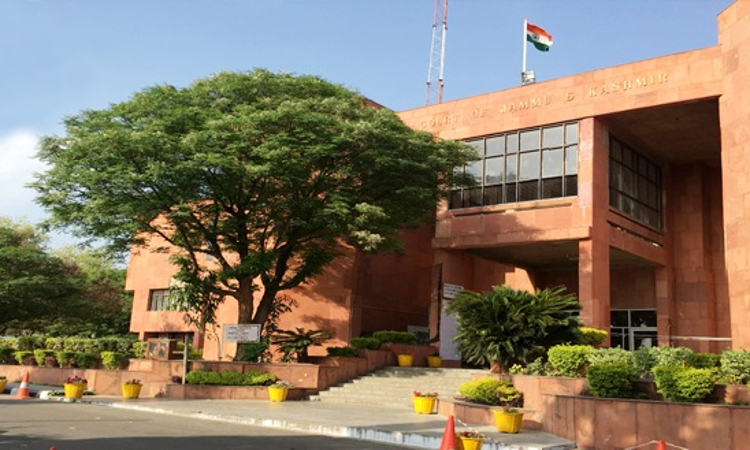
The Jammu & Kashmir and Ladakh High Court has set aside a status quo order passed against a real estate developer by the Jammu and Kashmir Special Tribunal, which was functioning as the interim Real Estate Appellate Tribunal.
Justice Rahul Bharti held that once a tribunal acknowledges that it lacks jurisdiction, it cannot issue or continue any interim or supplementary directions. Any such directions, the court said, are “nugatory in the eyes of law”.
The petition was filed by Royal Omkar Nests Private Limited, the developer of the Jammu-based housing project “Royal Nest Sapphire,” challenging an order of the Jammu and Kashmir Special Tribunal.
The dispute arose after fourteen apartment allottees approached the Jammu and Kashmir Real Estate Regulatory Authority under Section 31 of the Real Estate (Regulation and Development) Act, 2016, alleging defects in the project.
By an order dated July 21, 2025, JK RERA directed that any defects should first be reported to the developer and rectified within 30 days. It also granted liberty to the allottees to seek compensation if the defects were not cured.
Aggrieved by this outcome, the allottees filed an appeal before the Jammu and Kashmir Special Tribunal, which had been designated as the interim RERA appellate tribunal under a government notification.
On September 22, 2025, a single-member bench of the Tribunal, comprising its chairperson, entertained the appeal and passed an interim status quo order. The order restrained the developer from altering or using the common areas of the project.
Subsequently, on December 4, 2025, the tribunal accepted the developer's objection that it was not properly constituted under Section 43(3) of the RERA Act and therefore lacked jurisdiction to hear the appeal. Despite this finding, it directed that the status quo order would continue and granted liberty to the allottees to file a fresh appeal before a duly constituted bench.
Senior Advocate Amit Gupta, appearing for the developer, argued before the High Court that once the tribunal admitted it was unlawfully constituted, it became coram non judice. He submitted that any further directions, including the continuation of the status quo order, were null and void.
Counsel for the allottees defended the order, contending that the direction was merely protective and caused no prejudice to the developer.
Rejecting this contention, the High Court observed that once the Chairperson realised that the appeal was not maintainable before a single-member bench, there was no occasion to issue any further directions in favour of either party.
Justice Bharti held that the status quo direction was “nothing but nugatory in the eyes of law”.
The court reiterated that Section 43(3) of the RERA Act mandates that an appellate tribunal must consist of both a judicial member and a technical or administrative member.
Accordingly, the High Court partially allowed the writ petition and set aside the status quo direction relating to the project's common areas. However, it did not interfere with the Tribunal's decision granting liberty to the allottees to file a fresh appeal before a properly constituted bench.
The petition and connected applications were disposed of.
Case Title: Royal Omkar Nests Pvt. Ltd. & Anr. v. Sandeep Kumar & Ors.
Citation: 2026 LLBiz HC (JAM) 2
Case Number: WP(C) No. 3765/2025
For Petitioners: Advocate Amit Gupta, Mr. Sumit Moza
For Respondents: Advocate Navyug Sethi